Arrange electrical follow-up after a storm
Use official storm-safety advice first. Once immediate danger is addressed, keep the observations, professional findings and any insurer document requests separate.
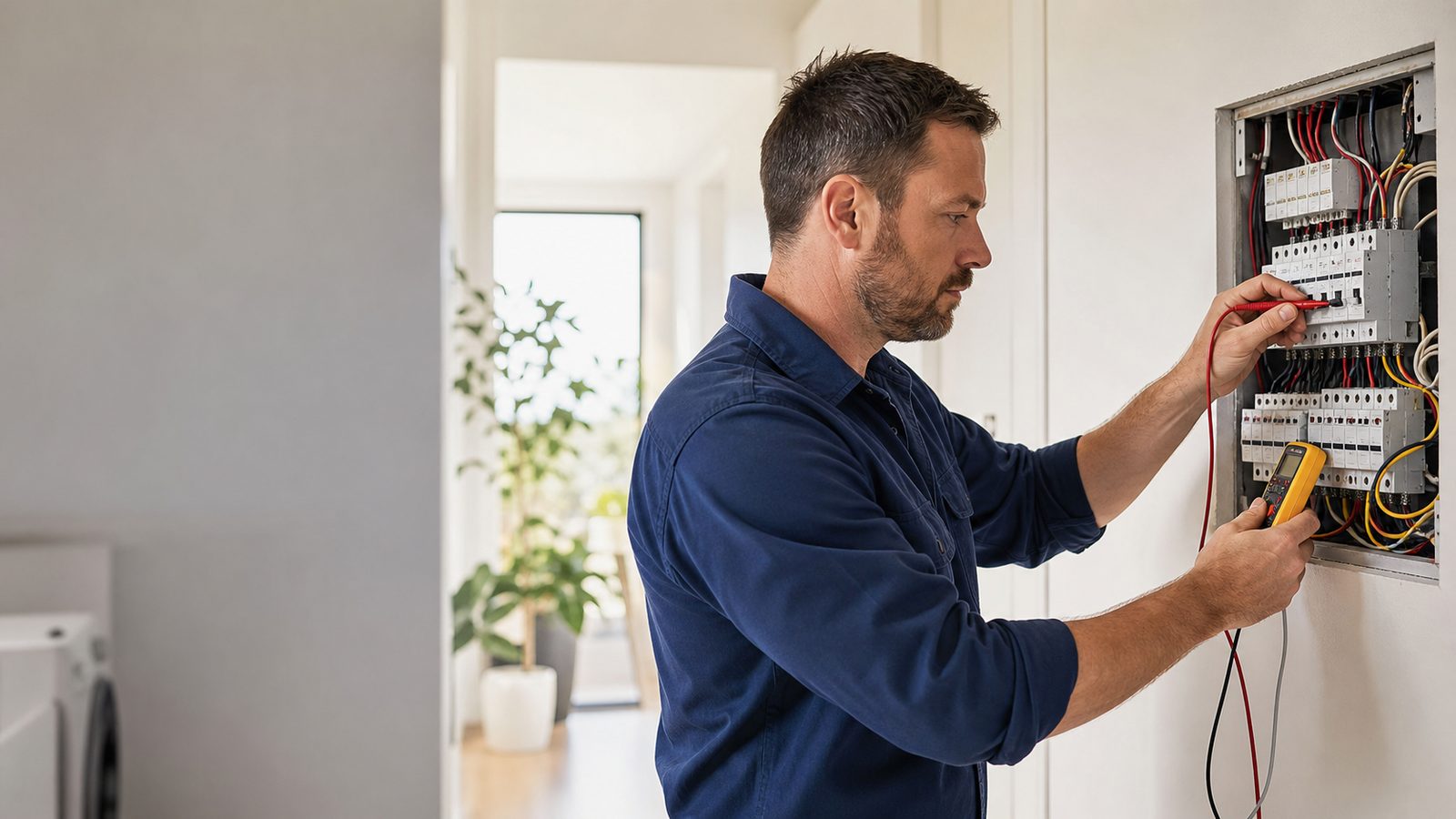
Follow current storm-safety guidance
Storm damage can create electrical hazards that are not apparent from a normal view of a property. Follow Energy Safe Victoria's current advice and the instructions of emergency responders. Do not approach fallen lines or damaged equipment, enter a hazardous area for photographs or operate equipment to see whether it still works.
This page helps organise later enquiries and records. It does not establish that a property is safe, provide emergency dispatch or determine the cause of an appliance failure. If there is immediate danger, contact the appropriate emergency service from a safe place rather than waiting for a website reply.
Record what was actually observed
When it is safe to arrange professional follow-up, describe the event and the changes already noticed. Keep a time or date where known and state when it is approximate. An outage reference or message already received from the network may be useful background, but it is not by itself a diagnosis of damage inside the property.
Avoid labelling every failed appliance as surge damage. A qualified assessment may be needed to understand the condition and appropriate next step. Provide earlier service records or work documentation where available and keep the professional's wording intact when sharing the finding.
Ask what the proposed assessment covers
Tell the electrician which equipment or areas are the subject of the request. Ask how access limitations and unassessed items will be recorded. If additional work is recommended, clarify the scope and approval process before treating it as included in the initial appointment.
Where more than one provider is involved, identify each role. A network enquiry, an appliance assessment and electrical work at the property may produce different records. Keep those documents labelled with the issuing party and the question they address. Do not turn one limited report into a statement about the whole installation.
Obtain insurer requirements from the insurer
Ask the insurer which documents it needs for the particular claim and policy. Retain the request with the claim reference. This website cannot promise coverage, acceptance, reimbursement or a decision time. A generic list of documents is not a substitute for the insurer's instructions.
Ask an assessing professional to report their actual findings. Do not request a cause-of-failure statement that goes beyond what they can establish, and do not alter a report to match a preferred claim explanation. If the insurer asks for clarification, send the precise question to the person responsible for that finding.
Keep approvals and unresolved work visible
Before accepting non-emergency follow-up work, clarify the person approving the scope and the basis of charging. For a rental or managed property, keep the owner or authorised manager involved through the appropriate process. An access arrangement does not automatically authorise every recommended repair.
At completion, retain the applicable work documents, accepted variations and any remaining instruction. If an item still requires assessment or another party's response, assign a next action instead of closing it because the first visit has occurred. A clear record supports the next conversation without pretending to settle a technical or insurance decision.